GRASP
Oh, the things HDRs can learn from children's books!
September 30th, 2026, by
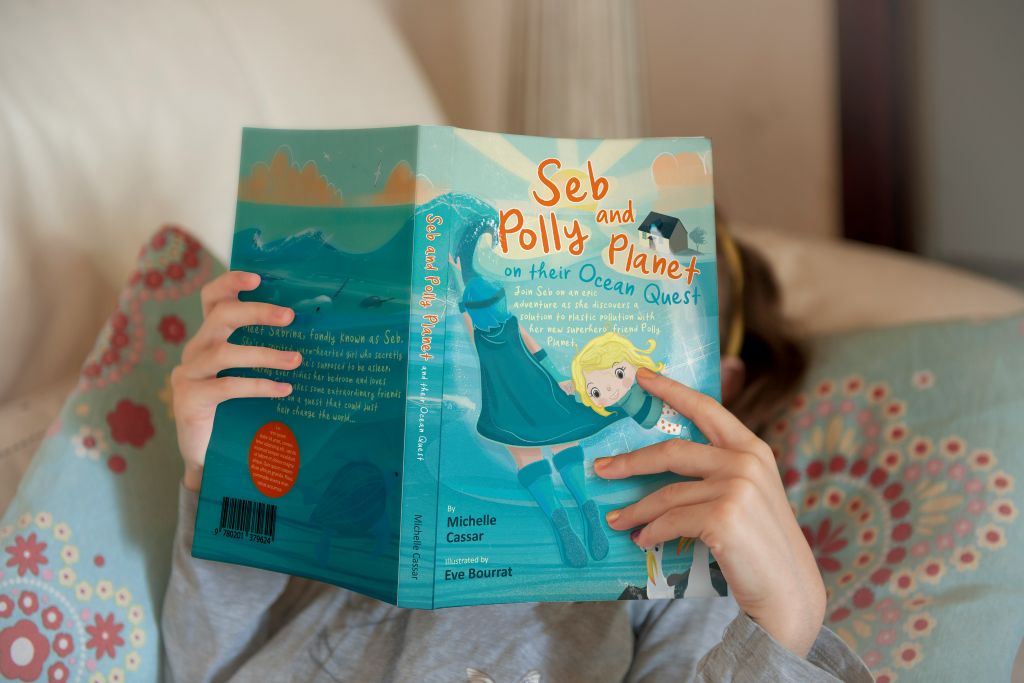
One day during online Thesis Bootcamp we were chatting in the break about the necessity of pushing through challenging tasks rather than looking for ways to avoid them. Someone mentioned how the children’s book We’re Going on a Bear Hunt seemed the perfect metaphor for the research process.
Since then we have been accumulating a list of children’s books and the nuggets of HDR wisdom to be found therein.
Here are the books we have on our list so far.
We’re Going on a Bear Hunt (by Michael Rosen)
A family sets out on a walk to find a bear and confronts long grass, a river, mud, a forest, a snowstorm and a cave. Each time the refrain is the same: we can’t go over it, we can’t go under it, oh no, we’ve got to go through it!
The wisdom: Most of us spend a lot of energy trying to go around the hard parts: the discussion chapter, the difficult email, synthesising some literature sources. The only way out is through. The metaphor falls down a bit at the end - when the family finally meet the bear they sprint home and hide under the covers. On the other hand, rest and retreat is important after big scary challenges have been met!
The Monster at the End of This Book (by Jon Stone)
Lovable, furry old Grover begs you not to turn the pages because there’s a monster at the end. He ties the pages shut and builds a brick wall, all in a frantic effort to stop you getting there. Spoiler alert, the monster at the end turns out to be Grover himself.
The wisdom: The dread of a task is usually far worse than the task itself, and the elaborate lengths we go to in order to avoid it often take more effort than just turning the page. The scary thing at the end is often just our own thoughts about the dreaded task, and they are not nearly as terrifying as we fear.
Don’t Let the Pigeon Stay Up Late! (by Mo Willems)
The pigeon uses every trick he can think of (bargaining, flattery, dramatic pleading) to avoid going to bed, until he falls asleep mid-sentence.
The wisdom: Fighting against what you know you need for your rest and self-care rarely produces your best work. The pigeon is not winning that argument, and neither are you. Rest and recovery is a necessary part of the research process.
The Little Engine That Could (by Watty Piper)
A train full of toys needs to get over a mountain. The big, shiny engines all have reasons for not wanting to do it. The small blue engine, who has never done it before, takes the job on, chanting “I think I can, I think I can.” And, of course, she can.
The wisdom: Self-belief matters, especially when you’re sure everyone else is more qualified than you. The little engine gets there by steady effort, not by being the biggest. Imposter syndrome tells you to wait until you feel ready. The little engine goes anyway.
Where the Wild Things Are (by Maurice Sendak)
Max, sent to bed without supper, sails off to where the Wild Things are, tames them, and becomes their king. Eventually he gets lonely and sails home, where his dinner is waiting, still warm.
The wisdom: The middle of a thesis can feel like a wild place, full of big, unruly feelings and ideas. You don’t tame them by avoiding them but by looking them in the eye and staying in charge. And when you need to, you can go home. Your life and the people in it are still there, and there is dinner.
Dear Zoo (by Rod Campbell)
A child writes to the zoo asking for a pet. The zoo sends an elephant (too big), a giraffe (too tall), a snake (too scary) and so on, and each one is packed up and sent back, until finally a puppy turns out to be just right.
The wisdom: For those of you doing thesis by publication, rejection from a publisher or journal usually isn’t a verdict on the quality of your work; it’s a question of fit. The elephant wasn’t a bad animal, just the wrong pet for the household. Read the feedback (it often tells you exactly what was “too big” or “too tall”), revise where it helps, and send it out again. The right home for your article is out there somewhere.
Have you ever found HDR wisdom in a children’s book? Let us know - we’d love to add them to the list!
Please make any anonymous comments/ feedback, or suggestions for further posts at this link. If you would like to get in touch, or write a post for the Ideas Hub blog, please email karen.miller@curtin.edu.au. Contributions from HDR students are welcome!
Photo by Michelle Cassar on Unsplash