GRASP
HDR conversations - Blending two interests in a PhD with Natasha McFarlane
November 10th, 2026, by
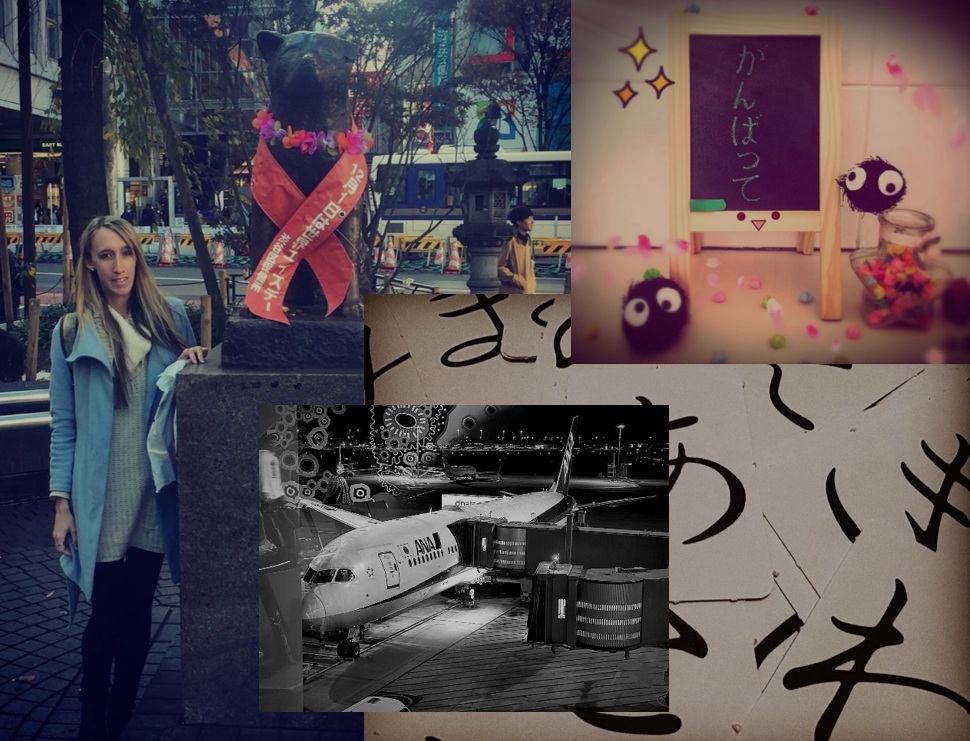
Sometimes the topics we’re most curious about start early. In this conversation, Natasha shares how a love of the Japanese language, sparked at her first Japanese lesson at primary school, and a fascination with how people place others into boxes, came together in her research on the semantics of stereotypes in Japanese culture.
She reflects on the rewards of researching a topic she loves (even when data collection feels never-ending), and shares her advice for those starting out, from treating your PhD like a job to making time for hobbies and keeping a list of achievements for those imposter syndrome moments.
Natasha, Can you tell us a little about your research and what inspired you to pursue an HDR degree?
My research investigates the semantics of stereotypes of people in Japanese culture. In doing so, it reflects the economic, societal, and cultural background of certain periods and the values that were upheld, as well as how these stereotypes affected individuals’ lives. I have always loved the Japanese language and culture since my first Japanese lesson in primary school, so I completed my undergraduate studies in Japanese. During this time, I also explored another interest, sociology, specifically stereotypes. It has always fascinated me that people very easily place others into boxes, especially ones that may demean, devalue, or constrain them. I originally intended to complete a Master of Education after my undergraduate studies, but one of my lecturers suggested an honours program, so I saw it as the perfect opportunity to blend my two interests, and now here I am doing a PhD on the same topic.
Have there been highlights or things you have found particularly rewarding so far?
While you will hear me complain about certain steps (like the never-ending marathon that is data collection), just being able to research a topic I am so interested in is incredibly rewarding. Learning about the process of social categorisation, stereotyping, and labelling of groups of people for my literature review has been the most rewarding so far. I have learnt everything from how and why we do it to the effects on people’s lives, and how to counter stereotypical thoughts about others (a very difficult thing to achieve) and the stereotypes placed upon us. I do look forward to finally analysing the words once I collect all my data, and this means that I’ll also get to practice my Japanese some more!
What advice would you give to other students, particularly those just starting out, or thinking about it?
If possible, pick a topic that you find really interesting or can see yourself invested in for many years. Treat it like a job: clock in and out at the same time every day (give yourself breaks during the day) and take one day off (if you can). During those breaks and your days off, try to engage in hobbies, do some crafts, read, play a game or a sport - anything that allows you to think of something else and de-stress (this year my hobbies included sticker art therapy, reading Jane Austen novels, and playing Resident Evil 9 ~ so whatever floats your boat). Lastly, create a list of your achievements and the positive feedback you’ve received in the past to draw on when you’re really struggling or dealing with imposter syndrome. I personally stick this on my desk, and I also have a little blackboard with the positive phrase “がんばって” (ganbatte), which means “do your best”.
Please make any anonymous comments/ feedback, or suggestions for further posts at this link. If you would like to get in touch, write a post for the Ideas Hub blog or be interviewed for our conversation series, please email karen.miller@curtin.edu.au. Contributions from HDR students are welcome!
Photos supplied