GRASP
HDR conversations - From industry to research with Alex Atkins
June 24th, 2026, by
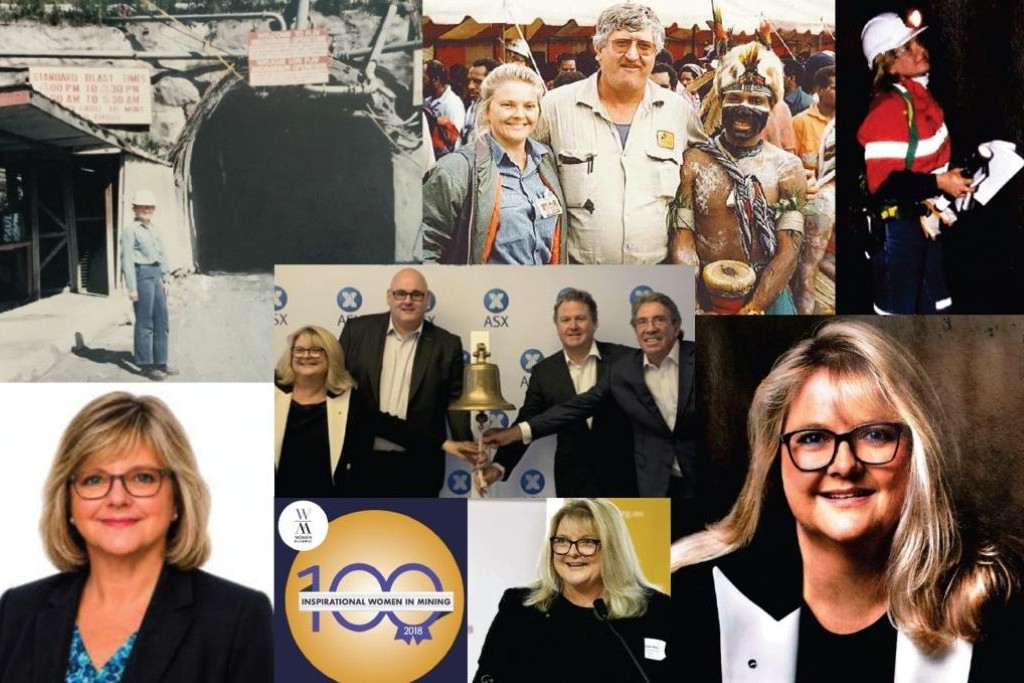
Every HDR student brings a unique combination of skills, experience and perspectives to their research, and each undertakes their HDR in their own way. This post is the first in a planned series of conversations with students, exploring the diverse backgrounds, circumstances and insights that shape their research journey.
In this conversation, Alex Atkins shares her story of moving from a 30-year career in the mining industry to becoming a PhD candidate. With extensive experience across mining engineering, consulting, regulation and governance, Alex brings a wealth of industry knowledge and perspective to her research. She reflects on what motivated her to take this next step, how she has navigated the transition from industry to academia, and the challenges and rewards she has encountered along the way. She also discusses how her research connects with her ikigai - a Japanese concept relating to purpose, fulfilment and finding meaning in what you do.
Alex, can you tell us a little about your research and what motivated you to begin your PhD?
My research is about gaps in mining risk governance. These gaps lead to fatalities, disasters, underperforming and/or failed projects. I’ve been obsessed with this topic my whole career, which started in the 80’s.
My decision to do a PhD on it was brought about by my frustration whilst serving on ASX listed company boards (at the end of a 30 year mining career) where I felt I didn’t have enough of a voice and I was unable to have an adequate line of sight on frontline technical and operational risks, particularly Critical Risk Management and Critical Controls Effectiveness assurance as per the International Council of Mining and Metals Guidance. I believed I knew why the gap existed but I felt, as a status quo challenger, that nobody would take me seriously without evidence. So I embarked on this marathon of academic rigour to gather the evidence I need to make my case, to help make mining better (my ikigai).
How did you find the transition back into study after working in industry, and what have you found most challenging so far?
I already have two Bachelor of Engineering degrees, an MBA in Finance and many short-courses and micro-credentials, so I’m no stranger to studying. Doing a PhD is a privilege which I am proud to have the opportunity to pursue, alongside part-time work and being the cornerstone for my family’s welfare. I was a bit surprised by the amount of bureaucracy and research integrity and other upfront training which is blanket approach, generic and quite unstructured. But once I got through it I’ve felt free to do what I know I need to do and my PhD supervisors so far have been supportive and encouraging.
One of the things I have found most challenging is learning and using the software (EndNote, NVivo and Qualtrics) and search tools - it feels like I’m building my plane after I have already jumped off the cliff. Thank goodness for the staff in the library who have been wonderful. I find it challenging creating the cadence of spending time on the hygiene of research (adding the information to the software as I go) and getting started writing the chapters of my thesis - I am trying to get my act together there. Once I have this muscle built - which requires me to remember what I’ve learnt in the software - I know I will be in good stead for the rest of my PhD as I will be organised/ structured to withstand academic challenge when I defend my thesis.
Another thing that has been challenging is getting IP agreements with industry collaborators for the deep dives in my research, which are not pre-existing research projects created by others (like CRC projects). Obtaining stakeholder engagement and commitment to do the deep dives has been fairly straightforward - thanks to my industry experience and network - but getting IP agreements is excruciating.
Finally, the challenge of paying the bills is always in the corner of my mind. Sometimes I wonder why I didn’t just take an easy route at this stage of my life, but I know it’s important work and will hopefully set me up as a valued industry resource for the rest of my working life.
Have there been highlights or things you have found particularly rewarding so far?
I started with a theory which I am exploring through literature review, surveys, interviews and deep dives with industry. I’m loving the engagement I’m getting with people from all backgrounds and seniority levels in industry. I feel the engagement is a reflection of the importance of the topic and that my whole life has led me here - I’m in the right place, at the right time, doing the right thing.
What advice would you give to other students, particularly those starting a PhD after time in the workforce?
My advice is to pick a research problem which is aligned with your personal ikigai. What are your values and strengths? What are the gaps and needs in the market you will be paid for? Spending time in industry is critical to understanding the gaps and needs in the market you are best placed to serve. Once you have finished your PhD you will be an expert on your ikigai - there is no better way to spend your life, earn a living and add value to society.
Please make any anonymous comments/ feedback, or suggestions for further posts at this link. If you would like to get in touch, write a post for the Ideas Hub blog or be interviewed for our conversation series, please email karen.miller@curtin.edu.au. Contributions from HDR students are welcome!
Photos supplied